
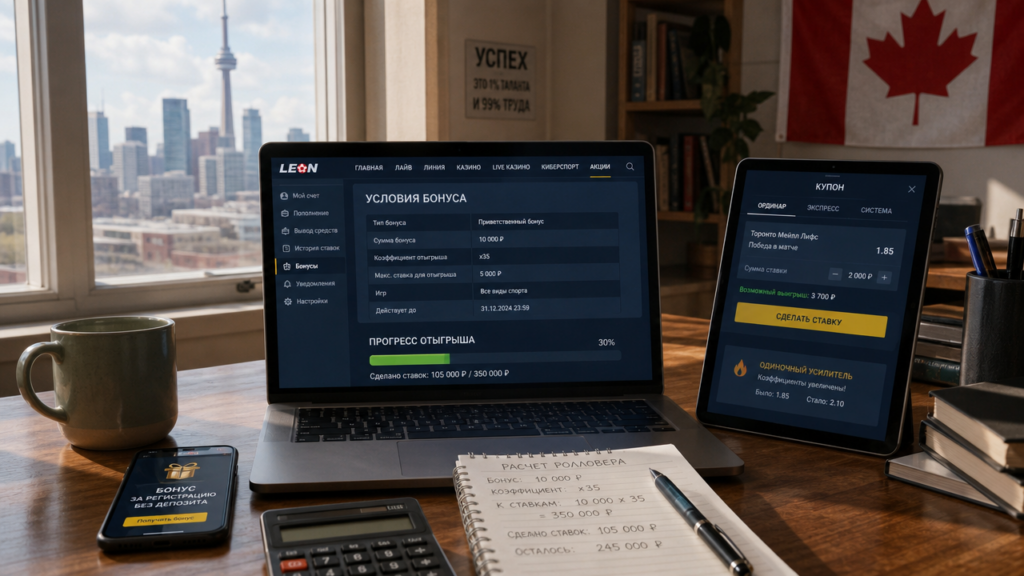
A larger deposit bonus can have more cash value than a no-deposit offer, but only if the rollover fits your normal betting volume. No-deposit bonuses at bookmakers require registration and verification, usually have low limits and often come with strict wagering conditions. The right offer depends on whether you want a free trial, a larger bankroll or a reward for activity you already planned.
- No-deposit bonus: registration and verification, with low limits and strict wagering rules.
- Deposit bonus: an added balance linked to a first deposit and subject to wagering.
- Free bet: profit is paid when the selection wins, while the stake is usually not returned.
- Loyalty reward: cashback, points or other benefits for ongoing activity.
No-Deposit Bonuses at Bookmakers
A no-deposit bonus requires no funding, but it usually requires full account verification before the bonus is credited. These offers may be provided as a free bet or a small cash bonus. Low limits, strict wagering conditions and withdrawal restrictions can reduce their practical value. This type of offer is useful mainly for a bettor who wants to test a new platform without depositing.
Deposit Bonus at a Bookmaker
A deposit bonus usually takes the form of an added balance linked to the first deposit. Some offers match the deposit up to a fixed limit, while others provide a set bonus. The wagering condition is the main factor in deciding whether the offer is worth claiming. First-deposit bonuses commonly require turnover within a limited period, sometimes 30 days, before withdrawal.
A deposit bonus suits a new bettor who already planned to fund an account and can complete the required wagering on eligible markets. Check the minimum deposit, qualifying odds, rollover and expiry before accepting the offer.
Free Bet Terms and Value
A free bet is worth less than the same amount in cash because the stake is generally not returned when the selection wins. The potential return therefore consists of the profit rather than the original stake. Free bets often require account activity or a qualifying deposit, and their terms may limit the markets or odds that count.
First-bet insurance is another form of promotional reward. A losing first wager may be refunded as a free bet, subject to a stated limit and expiry period. This type of offer suits a bettor who wants a second chance without committing to a large rollover.
Loyalty Rewards for Active Bettors
Loyalty programs reward continued activity through cashback, points or other benefits. They may be more useful than a one-time welcome offer for bettors who regularly place qualifying bets. Check how points are earned, whether cashback has a limit and when rewards expire.
Promo Codes and Registration Offers
Promo codes can activate or improve a bonus, but they are often distributed through partners and may expire. A registration bonus may require only registration and verification, while a welcome or deposit bonus normally requires funding as well. Enter any required code before completing the qualifying action and read the full terms before registering.
Published comparisons group bookmaker bonuses into no-deposit, deposit, registration, app, free-bet and promo-code offers. They also assess the bonus size, minimum deposit, qualifying odds, rollover and time limit. Some comparisons list offers ranging from 10,000 to 38,000 RUB, although the amount alone does not determine the value.
Four Terms to Compare Before Claiming
- Minimum deposit: a higher deposit requirement may unlock a larger bonus.
- Rollover: a lower playthrough requirement is generally easier to complete.
- Minimum odds and eligible markets: these determine which bets count toward the condition.
- Expiry and promo code: the bonus may disappear if it is not activated or used in time.
A no-deposit bonus can be useful when its limits and wagering conditions are manageable. A deposit bonus may offer more value when the rollover is reasonable and the required deposit matches your normal betting budget. Free bets, cashback and loyalty rewards should be assessed by their withdrawal rules, qualifying activity and expiry terms.